
Pushover Analysis for RFEM 6
by Dlubal, Structural analysis
Pushover analysis: capacity curve and target displacement to Eurocode 8
Dlubal programs and add-ons
RFEM 6 is the main program; add-ons are bought separately, whenever you need them. Click an add-on to see what it does and its price.
Main programs 4
-
RFEM 6
Finite element structural analysis for civil engineers
from 3.325 €
- Method: finite elements
- Elements: bars, plates, shells, solids
- Design: with add-ons (concrete, steel, timber, glass)
-
RSTAB 9
Structural analysis of frames and trusses for civil engineers
from 1.842,50 € per year
- Structures: bars, frames, trusses
- Analysis: linear and non-linear
- Design: with add-ons
-
RSECTION 1
Section properties and stress checks for thin-walled and solid sections
1.855 €
- Purpose: cross-section properties, stresses
- Cross-sections: thin-walled and solid
- Import: DXF, CAD tools, script
-
RWIND 3
Digital wind tunnel CFD for wind loads on buildings and structures
from 2.880 €
- Method: CFD, digital wind tunnel (OpenFOAM®)
- Editions: Basic, Pro
- Basic: steady flow, RAS k-ε, k-ω turbulence
Design 10
-
Steel Design
Strength, stability and serviceability checks of steel members in RFEM 6
2.065 €
- Limit states: ultimate and serviceability
- Standards: Eurocode 3, AISC 360, CSA S16 and others
- Sections: rolled, hollow, parametric, composite, from RSECTION
-
Stress-Strain Analysis
Stress analysis of members, surfaces and solids against limit stresses
945 €
- Objects: members, member sets, surfaces, solids
- Stresses: normal, shear, principal, membrane, equivalent
- Equivalent stress: von Mises, Tresca, Rankine, Bach
-
Concrete Design
Reinforced concrete in RFEM 6: members, surfaces, columns and punching shear
2.065 €
- Elements: members, member sets, surfaces and columns
- Limit states: ultimate and serviceability, with the detailing rules of the standard
- Reinforcement: longitudinal, shear and torsional per member, design strips on surfaces
-
Concrete Foundations
Geotechnical checks and design of concrete foundations inside RFEM 6
875 €
- Foundation types: reinforced and unreinforced plates, bucket and block foundations
- Geotechnical checks: bearing capacity, sliding, uplift, overturning
- Standards: Eurocode 7, Eurocode 2, ACI 318, IBC
-
Tendons
Realistic modelling of prestressed and post-tensioned tendons in RFEM 6
1.316 €
- Geometry: free 3D definition of tendons
- Internal forces: statically determinate and indeterminate from prestressing
- Assignment: automatic to members, member sets and ribs
-
Aluminum Design
Strength, stability and serviceability checks of aluminium members in RFEM 6
1.365 €
- Limit states: ultimate and serviceability
- Standards: EN 1999-1-1, ADM 2020 and others
- Section resistance: tension, compression, bending, shear, torsion, combinations
-
Glass Design
Design of single and laminated glass panes in RFEM 6
1.295 €
- Panes: single and laminated
- Standards: DIN 18008, ASTM E1300 or no standard
- Geometry: flat and curved panes
-
Masonry Design
Finite element design and checking of masonry in RFEM 6
1.295 €
- Method: finite elements, macro-modelling
- Material model: elastic-plastic after Lourenço (Rankine and Hill)
- Checks: walls in compression and shear
-
Timber Design
Strength, stability, serviceability and fire checks of timber structures in RFEM 6
1.505 €
- Limit states: ultimate, serviceability and fire
- Standards: EN 1995, NDS, CSA O86, SIA 265 and others
- Elements: members and surfaces of timber and wood-based materials
-
Multilayer Surfaces (such as Laminate, CLT)
Multilayer surfaces such as CLT and laminate, with your own layer build-up
1.155 €
- Program: RFEM 6 (add-on)
- Applications: CLT, laminate, textile-reinforced concrete, glass panes, fibre-reinforced plastics
- Layers: free build-up, graphic display of orientation
Connections 2
-
Steel Joints
Finite element analysis and design of steel connections inside RFEM 6
1.855 €
- Method: CBFEM, finite element model in the background
- Standards: EN 1993-1-8, AISC 360-22, AISC 360-16, CSA S16-24
- Components: plates, bolts, welds, base plates with anchors
-
Components
Design of construction products such as joist hangers and tension rods inside RFEM 6
1.015 €
- Products: studs, joist hangers, cables, tension rods, etc.
- Assignment: to members and member ends
- Forces: transferred automatically from the calculation
Dynamic analysis 4
-
Modal Analysis
Natural frequencies, periods and mode shapes of your structure in RFEM 6
945 €
- Program: RFEM 6 (add-on)
- Results: eigenvalue, angular frequency, natural frequency, period
- Mode shapes: graphical display and animation in the model
-
Response Spectrum Analysis
Seismic analysis with response spectra and equivalent static loads in RFEM 6
1.085 €
- Program: RFEM 6 (add-on)
- Methods: response spectrum, equivalent static loads
- Spectra: EN 1998-1 (25+ National Annexes), ASCE 7, NBC and others
-
Time History Analysis
Time-domain dynamic analysis: earthquakes, vibrations, blast, moving loads
1.015 €
- Program: RFEM 6 (add-on)
- Analysis types: accelerogram, time diagram
- Solvers: linear modal, linear and nonlinear implicit Newmark
-
Pushover Analysis
Pushover analysis: capacity curve and target displacement to Eurocode 8
1.015 €
- Program: RFEM 6 (add-on)
- Plastic hinges: steel to FEMA 356 and EN 1998-3
- Nonlinear material: masonry, bilinear steel, your own curves
Additional analyses 7
-
Nonlinear Material Behavior
Nonlinear material models in RFEM 6: plasticity, damage and cracking
1.155 €
- Program: RFEM 6 (add-on)
- Calculation: iterative, with stiffness adjustment
- Isotropic models: plastic, nonlinear elastic, damage
-
Structure Stability
Critical load factors and buckling modes of the whole structure in RFEM 6
1.015 €
- Methods: eigenvalue and incremental (nonlinear)
- Elements: members, shells, solids
- Eigenvalue solvers: Lanczos, roots of characteristic polynomial, subspace iteration
-
Construction Stages Analysis (CSA)
Stage-by-stage analysis of the construction process for members, surfaces and solids
1.225 €
- Elements: members, surfaces, solids
- Stages: defined and displayed in the RFEM model
- Changes per stage: add, remove, modify, reactivate
-
Torsional Warping (7 DOF)
Cross-section warping as a 7th degree of freedom in RFEM 6 member analysis
1.225 €
- Degrees of freedom: 7 (ux, uy, uz, φx, φy, φz, ω)
- Internal forces: 8, including Mt,pri, Mt,sec and bimoment Mω
- Analyses: linear static, second-order, large deformation
-
Time-Dependent Analysis (TDA)
Creep, shrinkage and ageing of concrete over time in RFEM 6
805 €
- Program: RFEM 6 (add-on)
- Effects: creep, shrinkage, ageing
- Elements: members and surfaces
-
Form-Finding
Equilibrium shapes of membranes, cable structures and air-supported structures in RFEM 6
1.610 €
- Program: RFEM 6 (add-on)
- Elements: members with axial force, membrane surfaces in tension
- Method: Updated Reference Strategy (URS)
-
Geotechnical Analysis
Soil from boring logs, piles and soil-structure interaction inside RFEM 6
1.155 €
- Program: RFEM 6 (add-on)
- Soil data: soil samples from boring logs
- Soil massif: automatic, with layer boundaries and groundwater
Special solutions 3
-
Model Optimization & Costs
Optimisation of parametric models in RFEM 6 with particle swarm optimisation (AI)
1.155 €
- Program: RFEM 6 (add-on)
- Methods: particle swarm optimization (PSO), batch processing
- Criteria: minimum weight or minimum deformation
-
Building Model
Stories, diaphragms and stability of multi-storey buildings in RFEM 6
1.365 €
- Program: RFEM 6 (add-on)
- Stories: building defined by stories, with settings per story
- Diaphragms: rigid, semi-rigid, flexible or none
-
WebService & API
Programmable interface for RFEM 6, RSTAB 9 and RSECTION 1, with Python and C#
1.090 € per year
- Programs: RFEM 6, RSTAB 9, RSECTION 1
- Technology: WebService with SOAP, request and response communication
- Languages: high-level libraries for Python and C#
Services 1
-
Service Contract
Support and updates contract for RFEM 6, RSTAB 9, RSECTION 1 and RWIND 3
on request
- Levels: Basic, Pro
- Term: 1 year
- Programs: RFEM 6, RSTAB 9, RSECTION 1, RWIND 3
First-licence prices for Greece and Cyprus, excluding VAT. The add-ons work inside RFEM 6.
Can the building withstand the earthquake?
Choose a topic and see how pushover analysis leads from loading to the target displacement.
A new analysis type in the load combinations
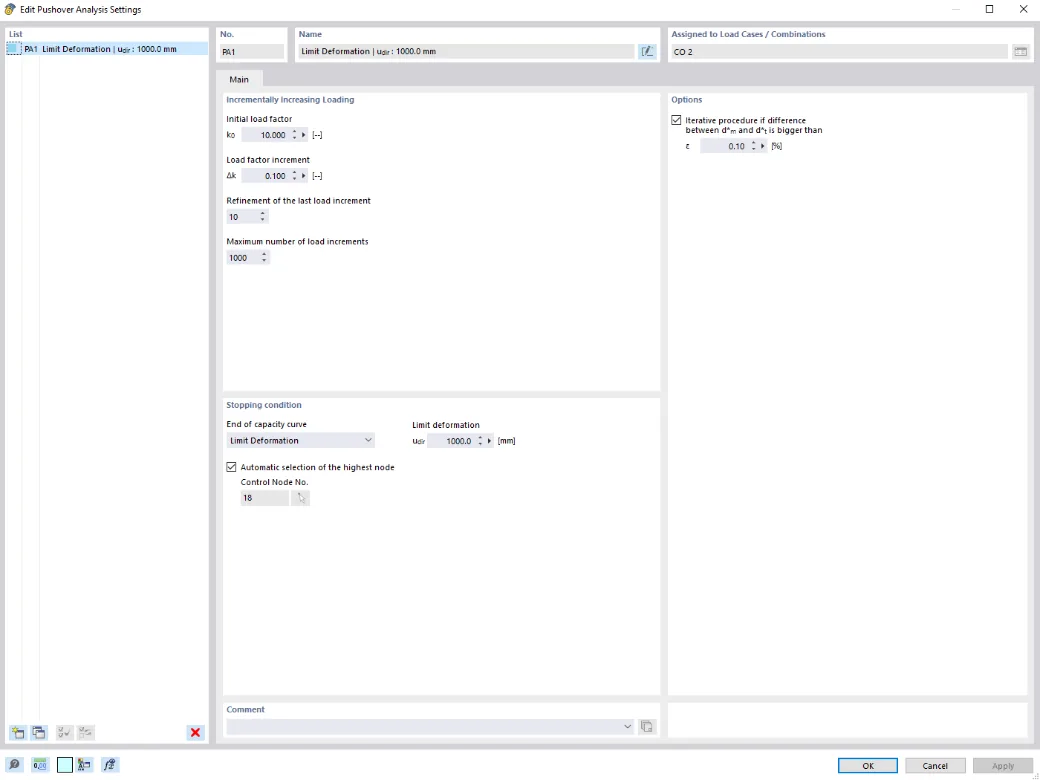
Pushover analysis is set as an analysis type within the load combinations.
- Distribution and direction of the horizontal load, to a mode shape or uniform over the height
- Constant vertical load from masses of load cases or combinations
- Response spectrum for the target displacement
- Load increment, stop criterion and iteration precision

Capacity curve from nonlinear steps
The horizontal load is increased in steps, and a nonlinear static analysis runs at each one.
- Steel plastic hinges to FEMA 356 and EN 1998-3
- Nonlinear material: masonry, bilinear steel, your own curves
- Stop at collapse or at a limit deformation
- Conversion to an ADRS capacity spectrum and bilinearisation to EN 1998-1


Target displacement and acceptance criteria
The target displacement is determined automatically with the N2 method to Eurocode 8.
- Graphical comparison of the capacity and demand spectra
- Acceptance criteria of the plastic hinges at each load step
- The values of the iterative target displacement calculation
- All static analysis results per step

What it does, stage by stage
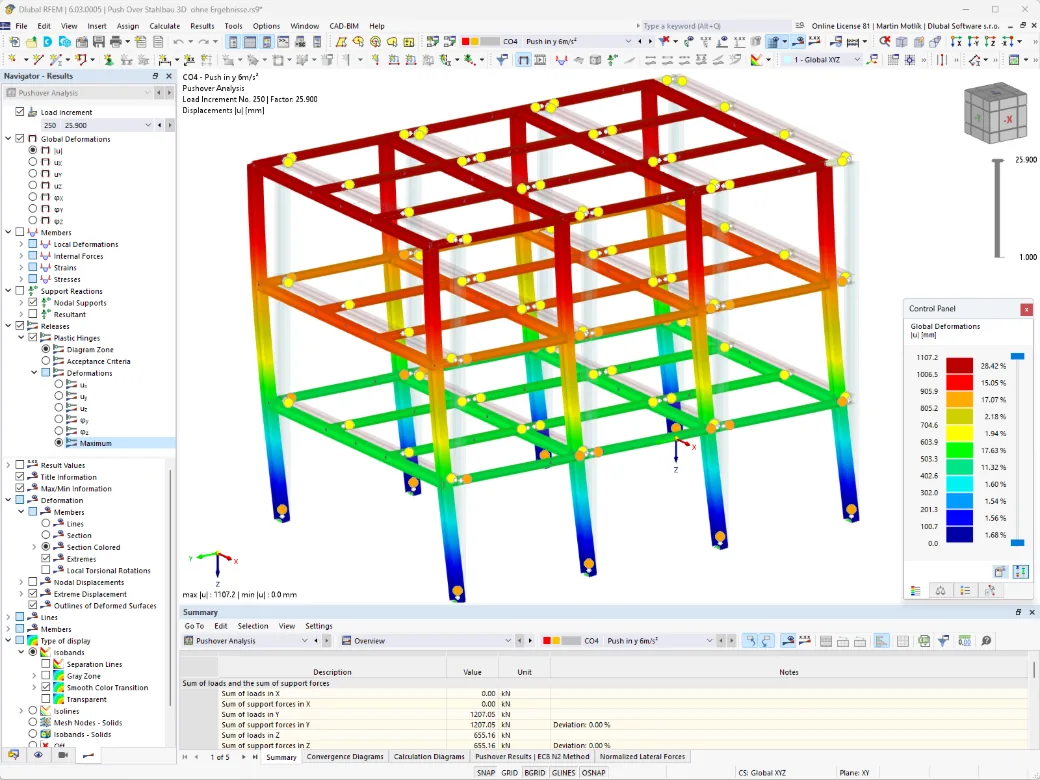
With the Pushover Analysis for RFEM 6 add-on you can analyse seismic actions on a specific building and so assess whether it can withstand an earthquake. Pushover analysis lets you identify deformations and damage in the building.
The method creates a capacity curve taking into account the nonlinear behaviour of the structure: plastic hinges for steel to FEMA 356 and EN 1998-3, and nonlinear material behaviour (masonry, bilinear steel, your own stress-strain curves). The horizontal load is increased in steps, and a nonlinear static analysis is run at each step until collapse or a limit deformation.
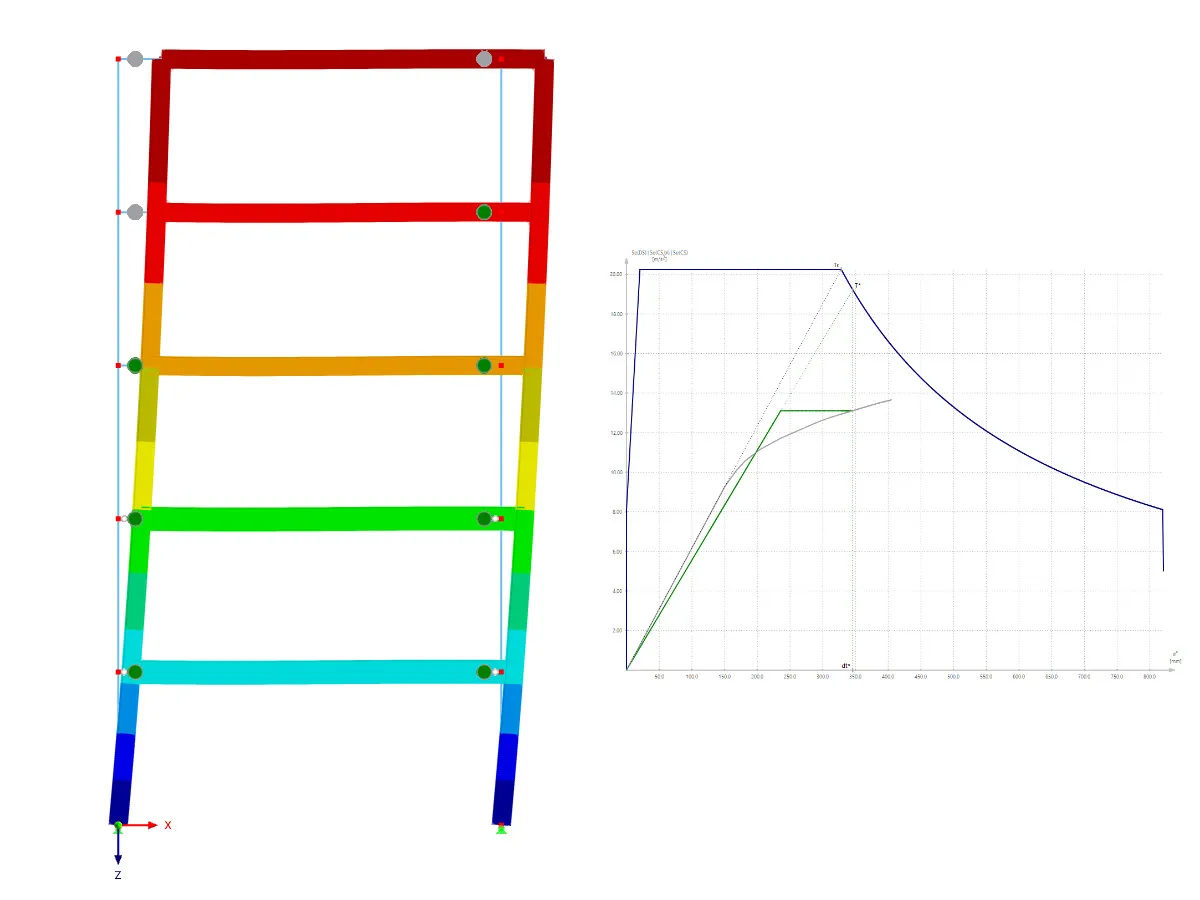
The curve is transformed into a capacity spectrum (ADRS format, single-degree-of-freedom system) and bilinearised to EN 1998-1:2010 + A1:2013. It is compared with the demand spectrum from the Eurocode 8 libraries, and the target displacement is determined automatically with the N2 method (Fajfar 2000).
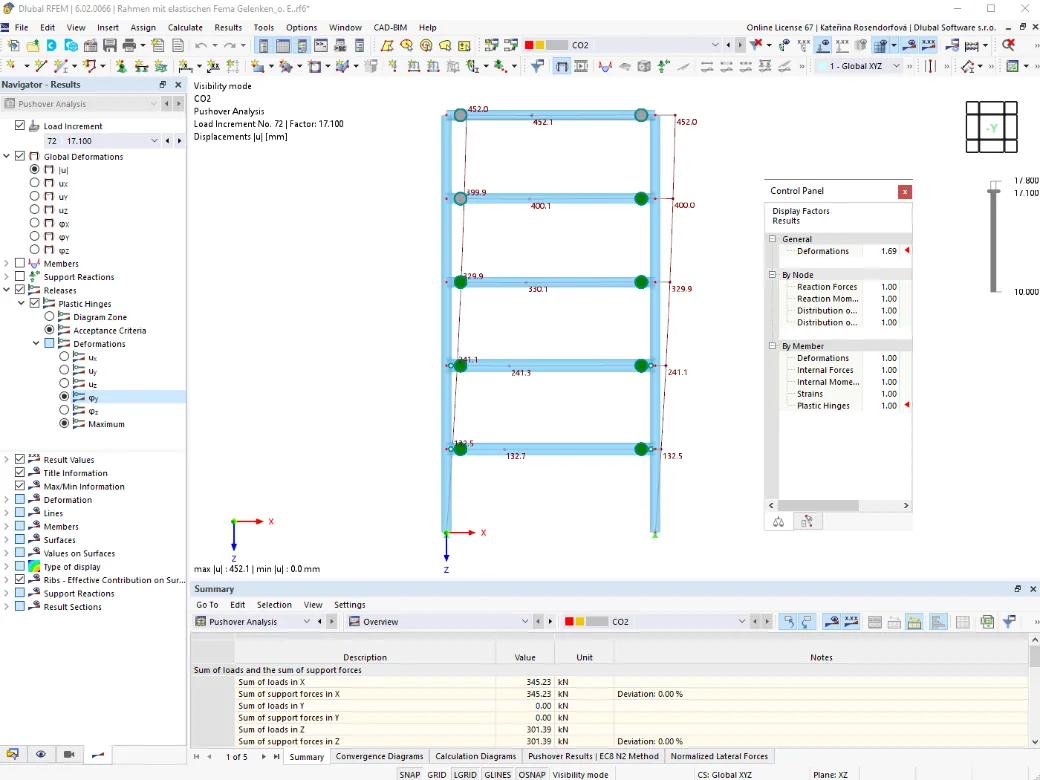
Results are shown graphically and in tables: spectrum comparison, acceptance criteria of the plastic hinges, the values of the iterative target displacement calculation and all static analysis results at each load step.
Features
Features
- Program
- RFEM 6 (add-on)
- Plastic hinges
- steel to FEMA 356 and EN 1998-3
- Nonlinear material
- masonry, bilinear steel, your own curves
- Horizontal load
- to a mode shape or uniform over the height of masses
- Stop criterion
- collapse or limit deformation
- Capacity spectrum
- ADRS, bilinearisation to EN 1998-1
- Target displacement
- N2 method (Fajfar 2000), Eurocode 8
- Results
- graphics and tables, per load step
All features
- Nonlinear component behavior using plastic standard hinges for steel (FEMA 356, EN 1998-3) and nonlinear materials (masonry, bilinear steel, user-defined curves)
- Direct import of masses from load cases or combinations for the application of constant vertical loads
- User-defined horizontal loads, standardized to a mode shape or uniformly distributed over the height of the masses
- Determination of a pushover curve with a selectable limit criterion of the calculation (collapse or limit deformation)
- Transformation of the pushover curve into the capacity spectrum (ADRS format, single degree of freedom system)
- Bilinearization of the capacity spectrum according to EN 1998-1:2010 + A1:2013
- Transformation of the applied response spectrum into the required spectrum (ADRS format)
- Determination of the target displacement according to EC 8 (N2 method according to Fajfar 2000)
- Graphical comparison of the capacity and required spectrum
- Graphical evaluation of the acceptance criteria of predefined plastic hinges, at the target displacement and in all load steps
- Result display of the values used in the iterative calculation of the target displacement
- Access to all results of the structural analysis in the individual load levels
- Dedicated analysis type in the load combinations: horizontal load distribution and direction, constant load, and response spectrum
- Adjustable increment of the horizontal load, stopping condition, and precision of the iterative target displacement determination
- Static nonlinear analysis for each load step until the specified limit condition, with results shown graphically and in tables
System requirements
Operating system Windows
- Requires an RFEM 6 licence
Works well with, and alternatives
Works well with

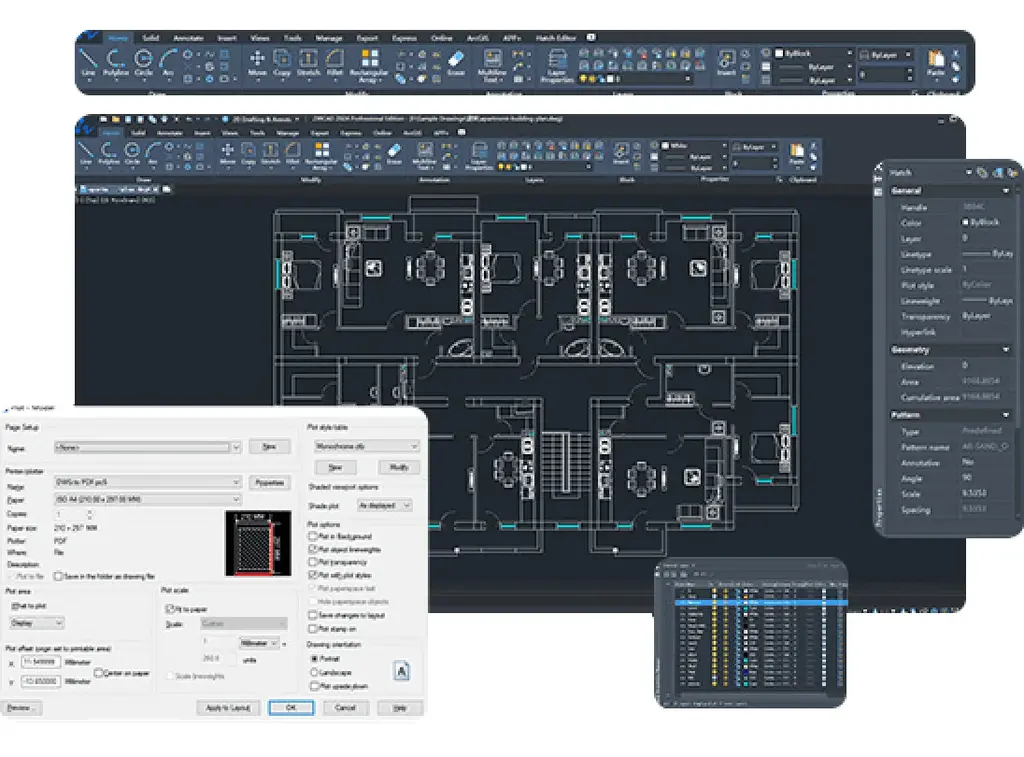
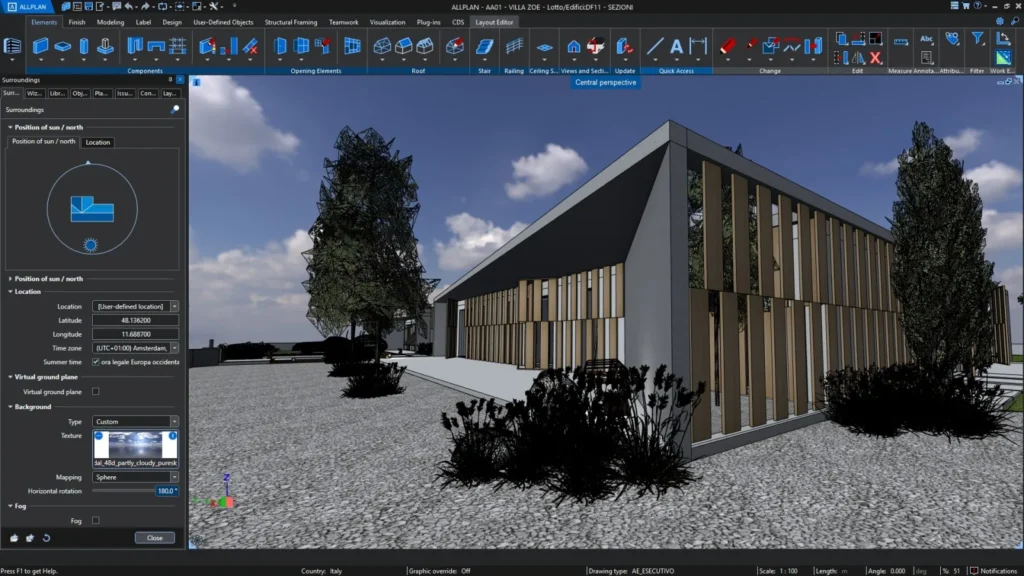
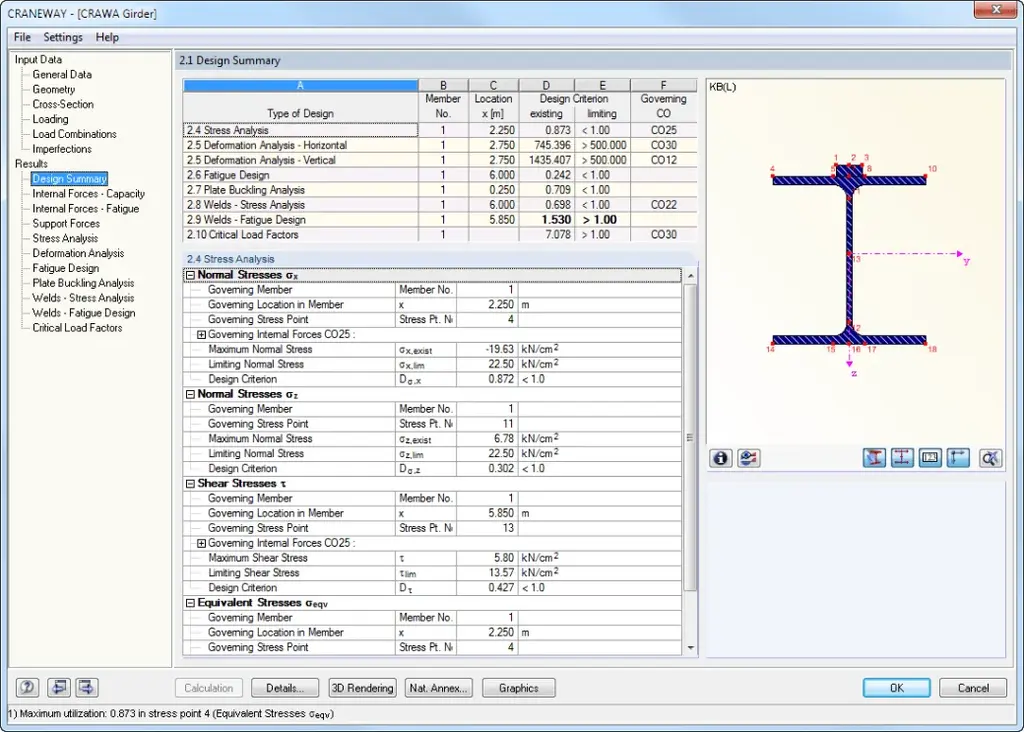
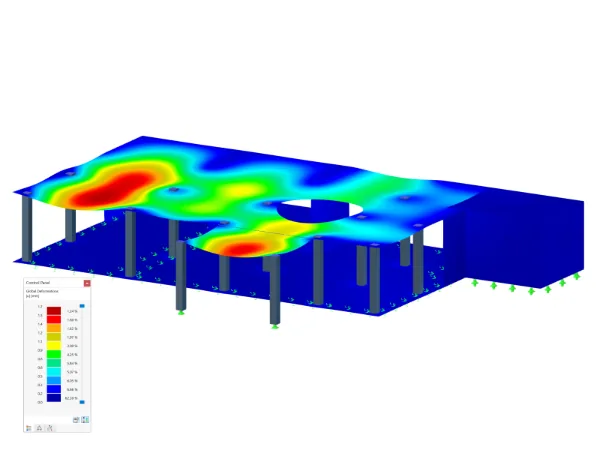
Pushover Analysis for RFEM 6 next to alternatives
Open the full comparisonQuestions, licence and delivery
What does a pushover analysis show?
How the building deforms and where it is damaged as the horizontal load increases, through the capacity curve, and whether it reaches the target displacement of the design earthquake.
Which code does it follow?
Bilinearisation is to EN 1998-1:2010 + A1:2013 and the target displacement to Eurocode 8 with the N2 method. Steel plastic hinges follow FEMA 356 and EN 1998-3.
How is the horizontal load defined?
Distributed to a mode shape or uniformly over the height of the masses. The constant vertical load comes from masses of load cases or combinations.
When does the calculation stop?
At the criterion you set: collapse or limit deformation. You also set the load increment and the precision of the iterative target displacement calculation.
Can I see results at intermediate steps?
Yes, all static analysis results are available at each load step, together with the acceptance criteria.
How do I receive the licence?
After payment we order the licence from the manufacturer and email you its details.
Do the prices include VAT?
Prices exclude VAT. With a valid VAT number from another EU country, VAT is not charged; in Belgium it is charged at 21%. For private customers, VAT is calculated at checkout.